


Why DHA Omega-3 matters - and how to get it on a plant-based diet
VV TV chatted with Wiley’s Finest UK about omega-3s recently and excited to tell you more.....
Omega-3 fatty acids play an important role in supporting brain, heart, eye and overall wellbeing. They are involved in essential functions including memory, focus, and helping to regulate inflammation in the body.
Paul Farquhar, managing director of Wiley’s Finest UK told us:
“We have long-known the multiple benefits of ahiflower for people on a vegan or vegetarian diet and are proud of our complex yet potent plant-based formula. To know that our CatchFree oil can assist people with chronic symptoms is highly rewarding.”
Because our bodies cannot produce omega-3s on their own, we need to obtain them through diet or supplementation. While many people focus on general omega intake, specific forms - particularly DHA and EPA - are recognised for their targeted benefits in supporting long-term health.
Registered dietitian nutritionist and omega-3 researcher Gretchen Vannice explains that while there are different types of omega-3s, they do not all work in the same way:
- ALA and SDA (found in plant sources like seeds and oils) support general metabolic health and energy
- EPA and DHA (available from algae-based sources for vegans) support key functions such as brain performance, heart health, and vision
She highlights that overall intake of omega-3 - across all dietary patterns - can often be lower than recommended, which is why being mindful of sources can be helpful for everyone.
Health guidelines commonly suggest around 250–500 mg of DHA and EPA per day to support optimal wellbeing.
Plant-based omega sources - what makes ahiflower different?
Innovations in plant-based nutrition mean there are now more ways than ever to support omega intake without relying on fish oils.
One example is ahiflower oil, a British-grown, regenerative crop that provides a broad spectrum of omega fatty acids, including:
- ALA (Omega-3)
- SDA (Omega-3)
- GLA (Omega-6)
Ahiflower is often described as a more efficient plant-based omega source because SDA acts as a natural shortcut, helping the body produce EPA more effectively compared to traditional sources like flaxseed.
It also comes with wider environmental benefits:
- A regenerative crop that supports soil health
- A valuable food source for pollinators such as bees and butterflies
- High yield - with one acre producing omega-rich oil equivalent to large quantities of fish
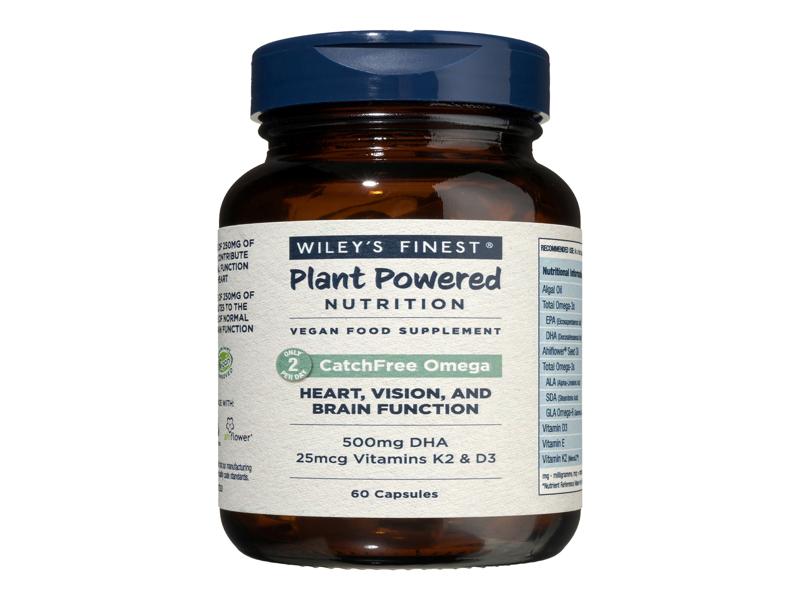
Products such as Wiley’s Finest CatchFree Omega combine ahiflower oil with algae-derived DHA, offering a fully plant-based source of both EPA-supporting SDA and direct DHA.
Two capsules typically provide:
- Over 700 mg of total Omega-3s
- Around 500 mg DHA
- Added vitamin D3 and vitamin K2 to support overall health
How long does it take to notice the benefits?
As with most nutrition, consistency matters.
Many practitioners suggest that:
- Some people may notice changes within 4 weeks
- More consistent benefits are typically seen after around 12 weeks
Factors such as overall diet, lifestyle, and dosage all play a role.
We have been trying CatchFree Omegas for a few months now and have felt that period pains have reduced too.
The key takeaway is simple - supporting your omega-3 intake is about making informed, consistent choices that work for your lifestyle.
Find out more here.


